MomentsInSG
· World · 3 min read
Cashless Living Feels So Normal Across The World Today
“Mobile payments quietly blend into daily life worldwide, making cashless living feel natural, effortless, and almost unnoticeable everywhere.”
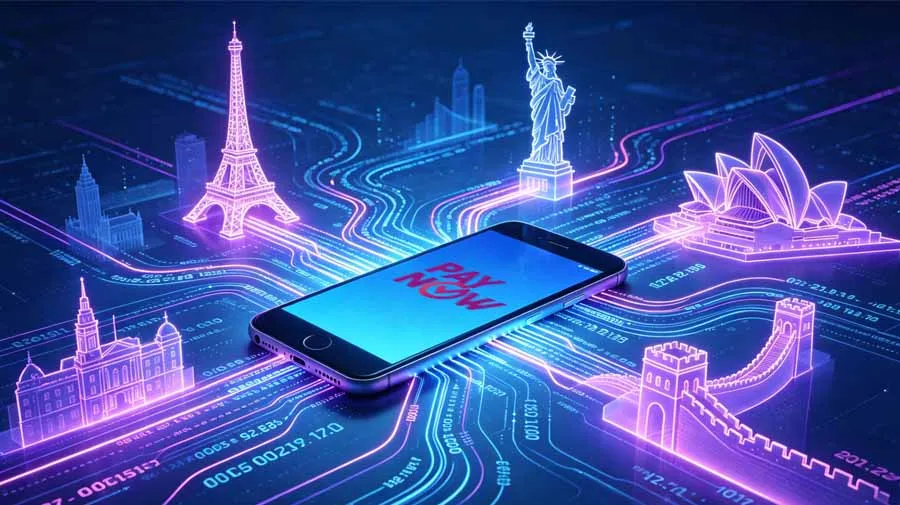
It’s kind of interesting how quickly money has changed in the past few years. Not long ago, we still had to check our wallets before heading out, making sure there was enough cash just in case. Now in many cities, that thought barely crosses your mind anymore. A phone is basically all you need to get through the day — whether it’s grabbing kopi, taking MRT, or even buying something from a random vending machine somewhere.
In places like Singapore 🇸🇬, this feels especially natural. You go to a hawker centre, scan a QR code, and that’s it. Even aunties selling drinks or small snacks often have some kind of digital payment option now. It doesn’t feel “high-tech” anymore — it just feels normal, like part of daily life. Honestly, sometimes it feels more strange to pull out cash than to tap your phone.
China and India show how far mobile payments can go
If you look at China 🇨🇳, mobile payment isn’t just common — it basically became the default way of paying for everything. From big malls to roadside stalls, everything runs on scanning codes. What’s interesting is how seamless it feels in daily routines. People don’t even think about “payment methods” anymore; it’s just part of how life works.
India 🇮🇳 has a slightly different vibe but the same direction. The whole system feels very fast-moving and practical. Even smaller shops or street vendors are plugged into digital payments now. There’s a sense that mobile payments didn’t just replace cash — they kind of leapfrogged traditional banking habits entirely. It’s very “let’s just make it work” energy, which fits the place quite well.
Northern Europe feels quiet but almost cash-free already
Then you have places like Sweden 🇸🇪, Norway 🇳🇴, and Denmark 🇩🇰. The experience there is different — less flashy QR code culture, more calm card or phone tapping everywhere. Cash is almost like a backup system that nobody really uses anymore.
What stands out is how low-key everything is. No one really talks about “mobile payments” as a trend. It’s just assumed that you tap and go. Even small daily purchases feel smooth and almost invisible in terms of payment steps. It’s efficient, but in a very understated way, quite “Nordic style” if that makes sense.
Southeast Asia is quietly catching up fast
Closer to home, Southeast Asia is moving pretty quickly too. Thailand 🇹🇭 has made QR payments super common in markets and tourist areas. Malaysia 🇲🇾 is also pushing hard with e-wallets everywhere you look. And of course, Singapore is already at the point where switching between PayNow, cards, and mobile wallets feels effortless.
What’s quite interesting is how mixed the ecosystem still is. You can still use cash if you want, but most people don’t really bother anymore. It’s like the transition phase is almost complete, but not forced — more like everyone just naturally drifted there over time.
It all just feels normal now
At the end of the day, what stands out most is not the technology itself, but how unremarkable it has become. Nobody really celebrates tapping a phone to pay anymore — it’s just part of life, like unlocking your door or checking your messages.
Maybe the bigger change is mental. We stopped thinking about “how to pay” and started just thinking about what to buy, where to go, and who we’re meeting. The payment part quietly disappeared into the background.